2000 ONWARD · THE REPORT ARCHIVE
Thousands of individual accounts.
Open a decade, choose a year, and follow the reports. This collection’s dated encounters extend through 2021.
Explore modern reports ↗Reports without usable dates ↗Follow the overlapping histories of apes and human relatives into traditions, historical descriptions, and modern reports. Could some accounts describe late-surviving branches of the human family? Explore that working hypothesis while keeping each account’s own identity and source.
Explore faces, forms & image sources ↗Read across to see overlap. Scroll down to move forward in time. Each bar is a selected fossil or evidence range. A shared row means overlapping dates, not necessarily shared geography or proven ancestry.
More room where branches overlap. Deep time stays compressed; crowded fossil periods open up, especially 2.8–1.8 million years ago and 500,000–20,000 years ago. The same date line continues into centuries and individual accounts. Equal distances represent different spans of time. Fossil dates are approximate; bar ends are not exact origin or extinction dates. Each card opens its details and sources. Earlier apes and parallel human forms support both the human-ancestry story and the alternative Bigfoot proposals. Card labels shift within their branch group; fine leader lines return to the dated evidence. Curved, dotted relationships use the open space between cards. Hover or focus a connection to follow its endpoints. Images labeled COMPARISON depict a related form; DATE RECORD marks an entry whose fossil image is still being sourced. Read across from the date line: human-lineage candidates, other hominins, then wider ape branches. Undated Bigfoot comparisons sit to its left, near the fossil cards each proposal references. Far-right unresolved placements remain open; horizontal spacing is not a genetic-distance scale. Dashed connections follow named sources; open a picture to inspect the proposed route.
Millions of years give way to centuries and decades. Space opens around the records.
Different forms. Possible surviving branches? Compare what each source describes. Connections to ancient human relatives remain a working hypothesis; an account’s date is not a lineage’s origin or extinction.
Open a decade, choose a year, and follow the reports. This collection’s dated encounters extend through 2021.
Explore modern reports ↗Reports without usable dates ↗Every account keeps its people, place, date, and source. Open a marker to look closer.
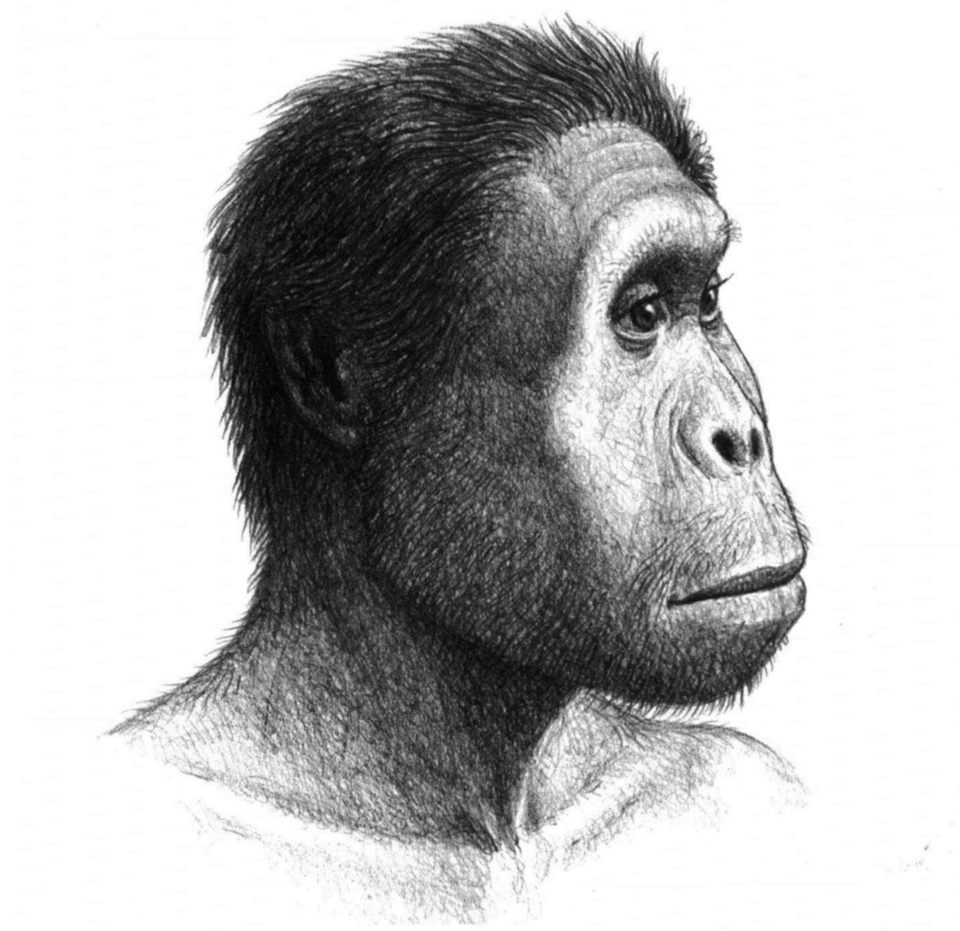
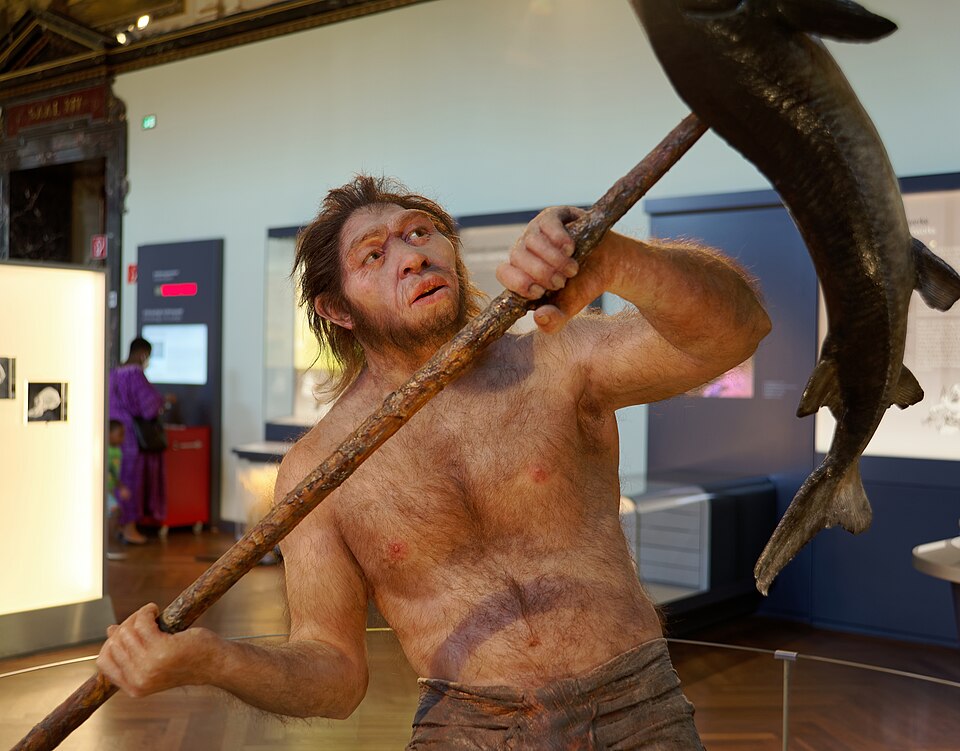
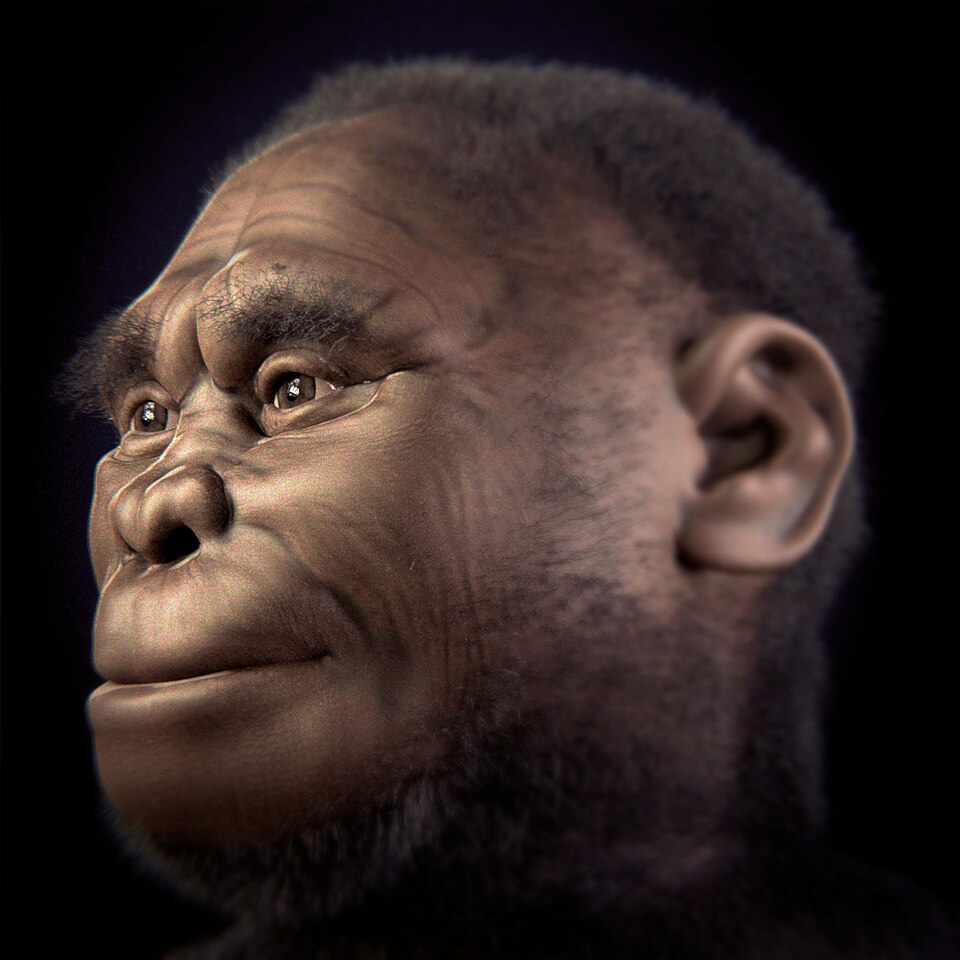
Dates identify encounters, tellings, publications, or recordings as labeled. Spacing expands around records; equal distances do not represent equal time.Explore the range of appearances in fossil reconstructions, Bigfoot illustrations, historical artwork, and sculpture. Open any image for its source and context, or choose two or three to compare. The collection also includes a Patterson–Gimlin film frame and a published anatomical comparison. More witness-image sources are linked below.
Keep the source attached. Eleven representations come from the single 2017 Bigfoot 411 ancestry chart supplied to this project. They remain grouped under that source. Image dates, encounter dates, and source descriptions are recorded separately. Some pictures are artwork or reconstructions; an image’s appearance does not determine how it was produced. Explore the Bigfoot 411 reference ↗
Follow these links to view the material with its source context. Credits and reproduction terms are still being checked for inclusion in this collection.
Beringia linked northeastern Asia and Alaska during the last ice age. Animals moved between continents. Could Bigfoot have used that connection too? This project includes that proposed route as a hypothesis to examine alongside the geographic record.
National Park Service: Beringia ↗ · Schematic geography. The land connection is dated context; the Bigfoot route is a project hypothesis. Human movements involved multiple possible routes and dates.
This reference map extends the collection beyond the Pacific: Europe, Africa, Asia, Oceania, and the Americas. Its 27 labels are preserved here as starting points for accounts, books, descriptions, and possible relationships.
The main timeline follows branching, overlapping histories. This index adds the geographic layer: each source retains its own names and context as the collection grows.
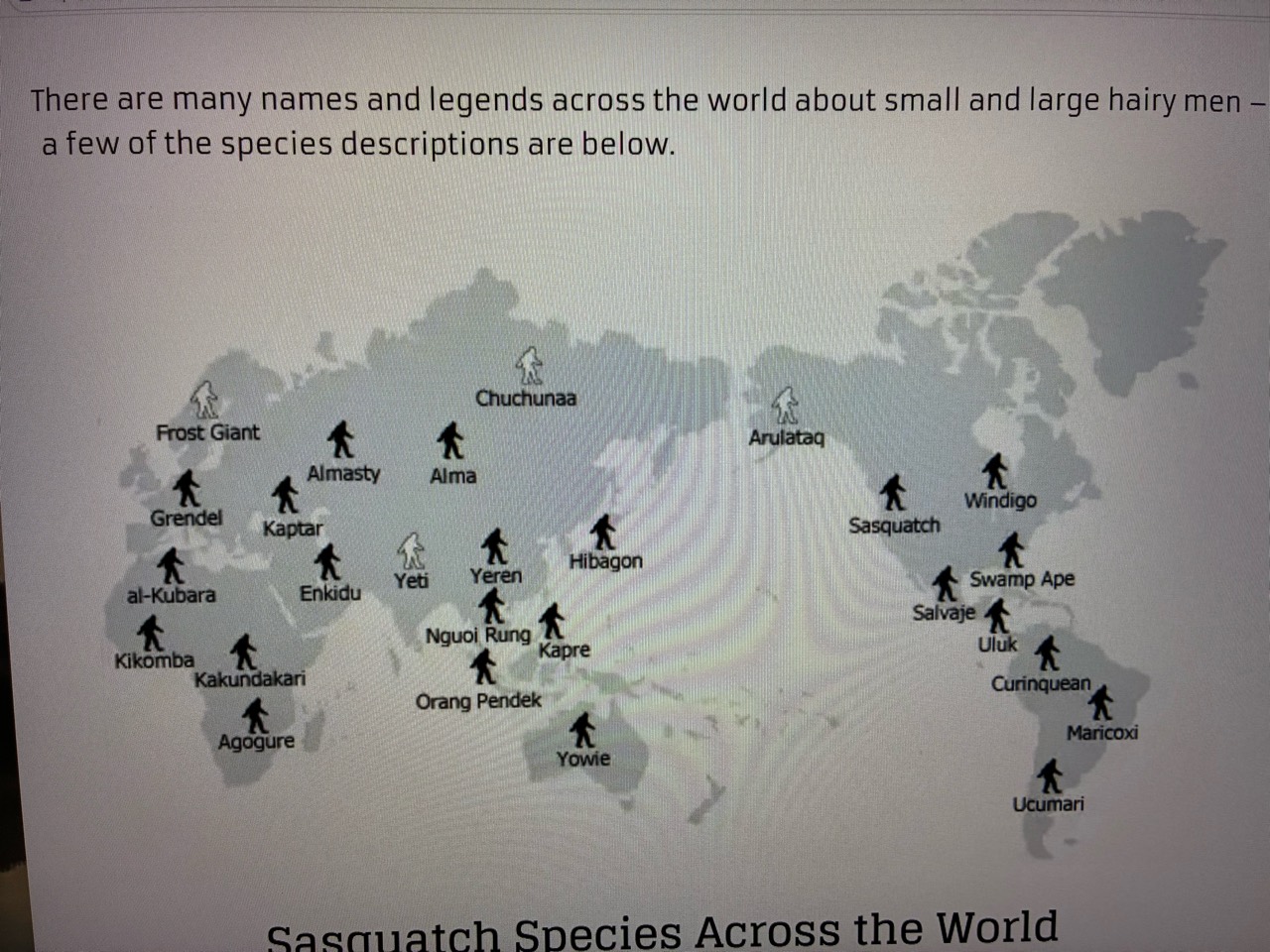
Regions describe approximate positions on this reference map. This is an index of names from one source, not a count of independent encounters. Related names remain separate until their sources and relationships can be compared.
At the present: Homo sapiens is the sole surviving human species. Other living apes—including chimpanzees, bonobos, gorillas, orangutans, and gibbons—have continued evolutionary histories of their own. They are not earlier stages of us.
Smithsonian: common ancestry ↗Ancient DNA shows interbreeding among modern humans, Neanderthals, and Denisovans. This inset shows relationships only; the connectors are not assigned exact event dates.
Read the genetic evidence ↗A first or last fossil is not an observed birth or extinction of a species. Some entries are isolated dated finds. Denisovans combine genetic and fossil evidence; H. luzonensis dates are minimum ages. Click any entry for its specific caveats.
Species can overlap without meeting. The nearest columns hold the human line and proposed ancestry candidates; wider ape branches sit farther right. Each card explains its placement. Subcolumns keep overlapping records readable within the same branch group. Position does not establish direct descent or measure genetic distance; the final band holds unresolved affinities. Dashed lines identify source-attributed ancestry proposals. Dotted blue links identify overlapping classifications, which do not represent extra species. Bigfoot links join comparison cards, not dated divergence events. Many relationships remain disputed or unresolved.
Records are included for what they tell us, without an acceptance threshold. Fossil ranges, oral accounts, report dates, and proposed connections retain their own data types. The overlap counter counts fossil reference intervals only; report totals count archive records.
Each species entry links to its sources. Download column assignments and sources (JSON) ↓ Column relationships reviewed November 5, 2026. Reference intervals are illustrative syntheses, not a complete taxonomic or dating review. ASU’s human-evolution timeline ↗